Miriam Hopkins

Personal Info
Miriam Hopkins
Biography
Ellen Miriam Hopkins (October 18, 1902 – October 9, 1972) was an American actress known for her versatility. She first signed with Paramount Pictures in 1930, working with Ernst Lubitsch and Joel McCrea, among many others. Her long-running feud with Bette Davis was publicized for effect. Later she became a pioneer of TV drama. Hopkins was a distinguished Hollywood hostess, who moved in intellectual and creative circles. At age 20, Hopkins became a chorus girl in New York City. In 1930, she signed with Paramount Pictures, and made her official film debut in Fast and Loose. Her first great success was in the 1931 horror drama film Dr. Jekyll and Mr. Hyde, in which she portrayed the character Ivy Pearson, a prostitute who becomes entangled with Jekyll and Hyde. Hopkins received rave reviews, but because of the potential controversy of the film and her character, many of her scenes were cut before the official release, reducing her screen time to approximately five minutes. Nevertheless, her career ascended swiftly thereafter and in 1932 she scored her breakthrough in Ernst Lubitsch's Trouble in Paradise, where she proved her charm and wit as a beautiful and jealous pickpocket. During the pre-code Hollywood of the early 1930s, she appeared in The Smiling Lieutenant, The Story of Temple Drake and Design for Living, all of which were box office successes and critically acclaimed. Her pre-Code films were considered risqué at the time, with The Story of Temple Drake depicting a rape scene and Design for Living featuring a ménage à trois with Fredric March and Gary Cooper. She also had success during the remainder of the decade with the romantic comedy The Richest Girl in the World (1934), the historical drama Becky Sharp (1935), for which she was nominated for the Academy Award for Best Actress, Barbary Coast (1935), These Three (1936) (the first of four films with director William Wyler) and The Old Maid (1939). Hopkins was one of the first actresses approached to play the role of Ellie Andrews in It Happened One Night (1934). However, she rejected the part, and Claudette Colbert was cast instead. She did audition for the role of Scarlett O'Hara in Gone with the Wind, having one advantage none of the other candidates had: she was a native Georgian. But the part went to Vivien Leigh. Both Colbert and Leigh won Oscars for their performances. Hopkins had well-publicized fights with her arch-enemy Bette Davis (Hopkins believed Davis was having an affair with Hopkins' husband at the time), when they co-starred in their two films The Old Maid (1939) and Old Acquaintance (1943). Davis admitted to enjoying very much a scene in Old Acquaintance in which she shakes Hopkins forcefully during a scene where Hopkins' character makes unfounded allegations against Davis's. There were even press photos taken with both divas in a boxing ring with gloves up and director Vincent Sherman between the two. Hopkins was a television pioneer, performing in teleplays in three decades, spanning the late 1940s through the late 1960s, in such programs as The Chevrolet Tele-Theatre (1949), Lux Video Theatre (1951-1955) and even an episode of The Flying Nun in 1969. She has two stars on the Hollywood Walk of Fame: one for motion pictures at 1701 Vine Street, and one for television at 1708 Vine Street.
Known For
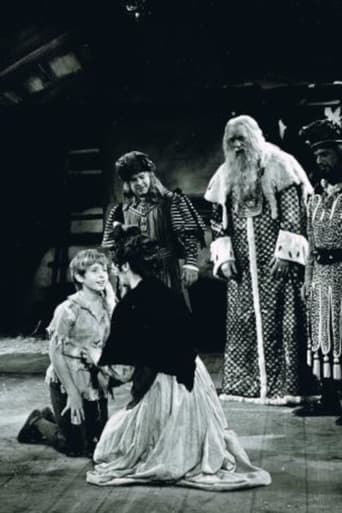
Matinee Theater
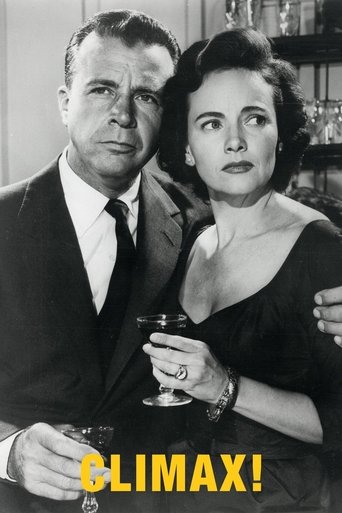
Climax!
Amanda Hale
1954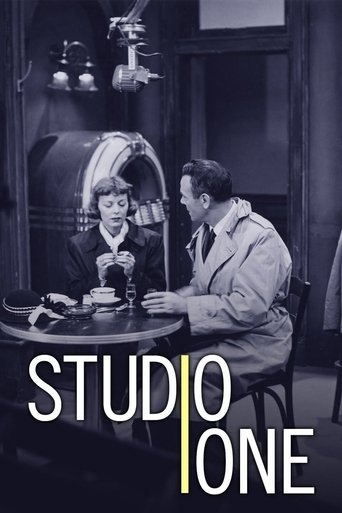
Studio One
Theresa Durand
1948
Route 66

The Outer Limits
Mary Kry
1963Lux Video Theatre
Bertha Jacks
1950Lux Video Theatre
Julie Arden
1950Lux Video Theatre
Margaret
1950Lux Video Theatre
Norma Desmond
1950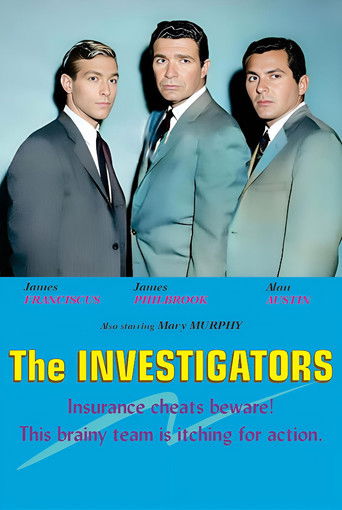
The Investigators
Minna Carter
1961The Whistler
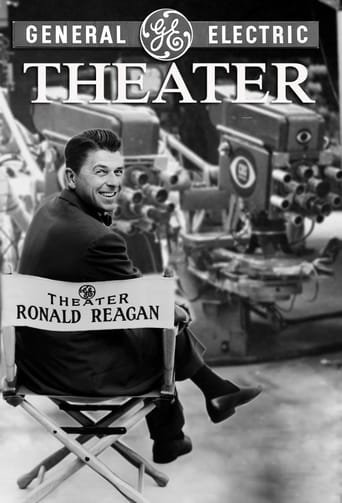
General Electric Theater
General Electric Theater
Mrs. Cynthia Lockman
1953
The Chase
Mrs. Reeves
1966
Complicated Women
Self (archive footage)
2003
The Children's Hour
Lily Mortar
1961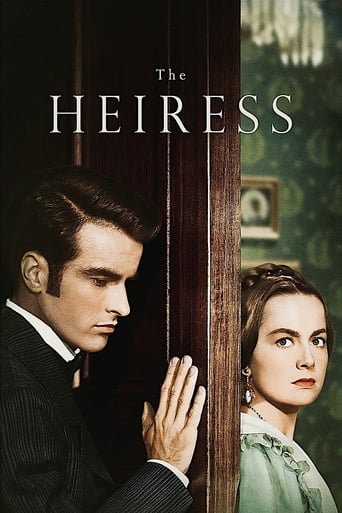
The Heiress
Lavinia Penniman
1949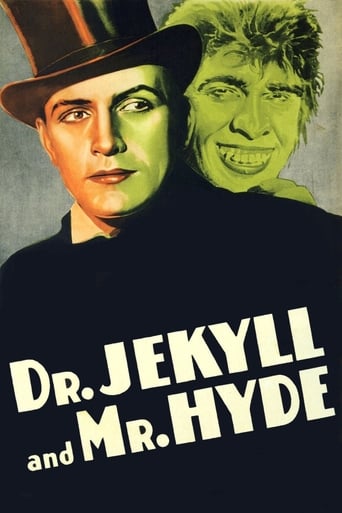
Dr. Jekyll and Mr. Hyde
Ivy Pearson
1931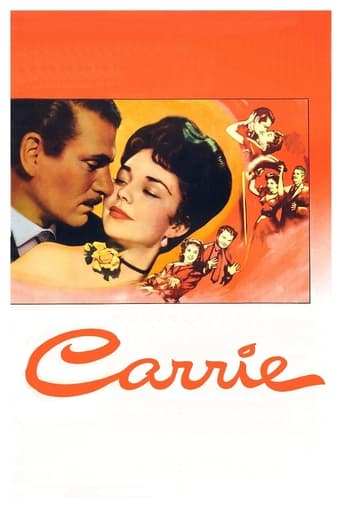
Carrie
Julie Hurstwood
1952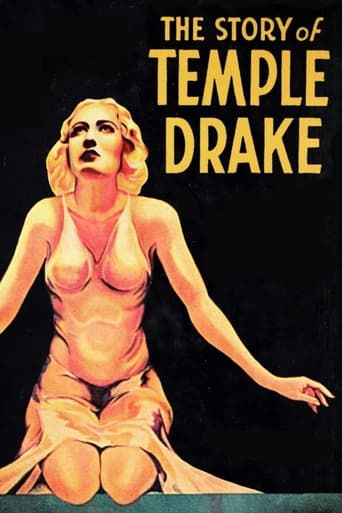
The Story of Temple Drake
Temple Drake
1933
Barbary Coast
Mary 'Swan' Rutledge
1935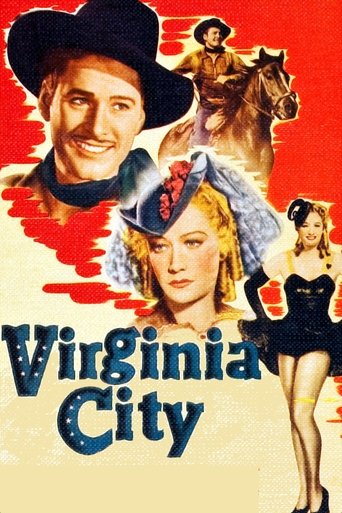
Virginia City
Julia Hayne
1940
Becky Sharp
Becky Sharp
1935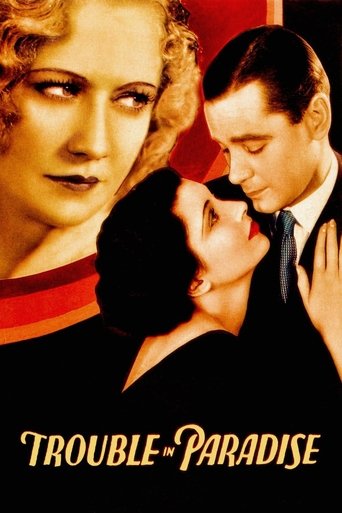
Trouble in Paradise
Lily
1932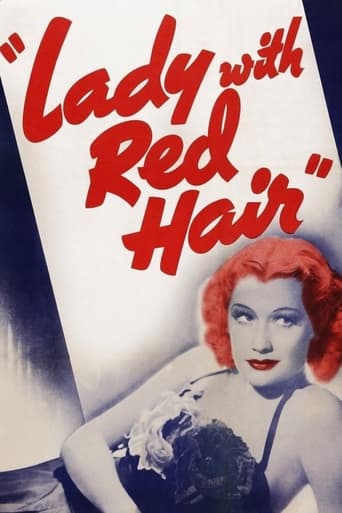
Lady with Red Hair
Mrs. Leslie Carter
1940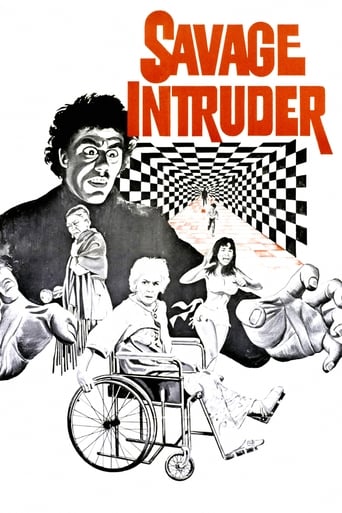
Savage Intruder
Katherine Parker
1970
Design for Living
Gilda Farrell
1933
Fanny Hill
Maude Brown
1964
Old Acquaintance
Millie Drake
1943
Hollywood on Parade No. B-1
Splendor
Phyllis Manning Lorrimore
1935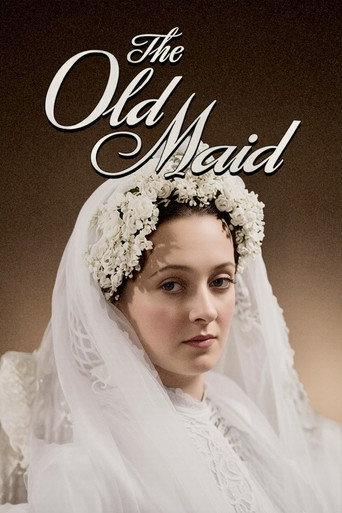
The Old Maid
Delia Lovell Ralston
1939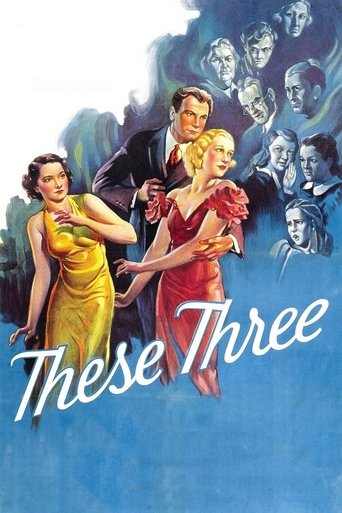
These Three
Martha Dobie
1936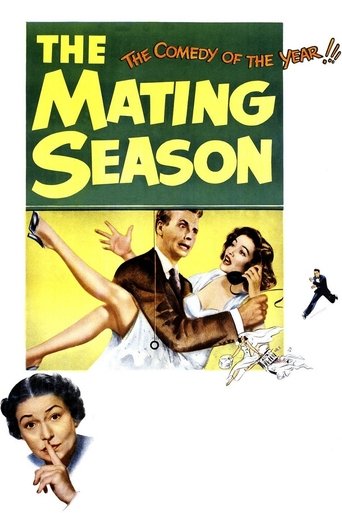
The Mating Season
Fran Carleton
1951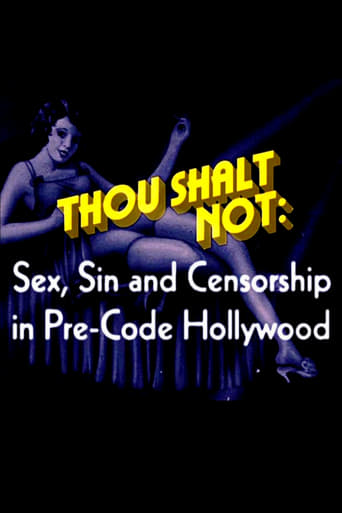
Thou Shalt Not: Sex, Sin and Censorship in Pre-Code Hollywood
Ivy Pearson (archive footage)
2008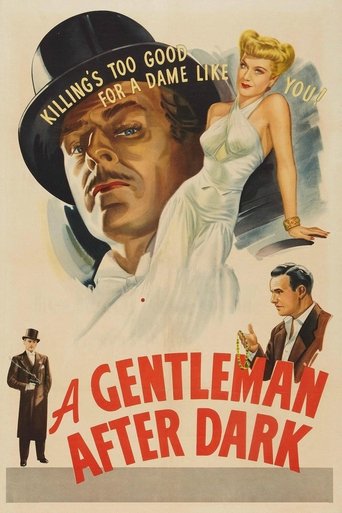
A Gentleman After Dark
Flo Melton
1942
Wise Girl
Susan Fletcher
1937
Breakdowns of 1940
Self
1940
All of Me
Lydia Darrow
1934
24 Hours
Rosie Dugan
1931